The Role of Ambient Lighting and Automated Shades in Modern Offices


The Evolution of Office Design
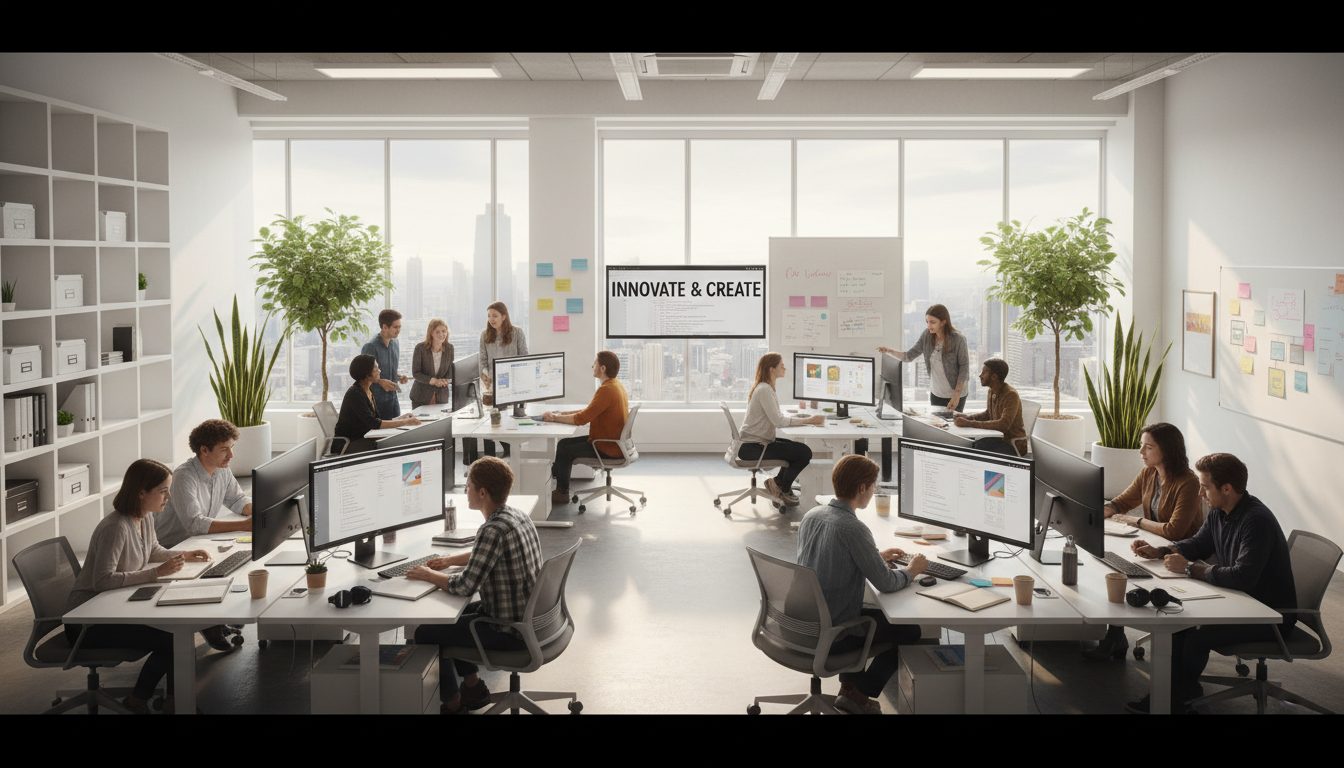
In recent years, office design has undergone significant transformation, shifting from traditional cubicles to open, flexible spaces. Central to this evolution is the role of ambient lighting and automated shades, which have become integral to creating a dynamic and productive work environment.
Ambient lighting and automated shades not only enhance the aesthetic appeal of an office but also contribute to employee well-being and productivity. By integrating these elements, modern offices are better equipped to meet the diverse needs of today's workforce.
The Impact of Ambient Lighting
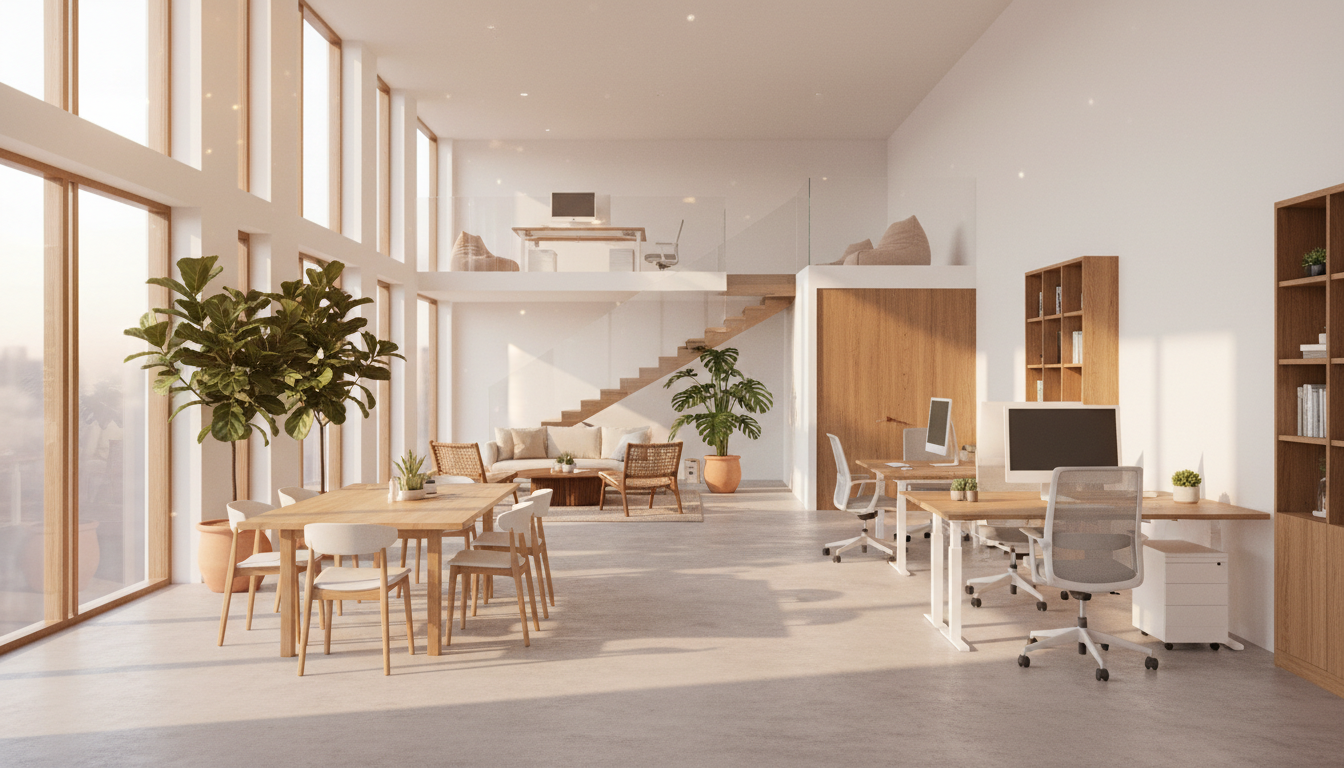
Lighting plays a crucial role in defining the ambiance of a workspace. Ambient lighting is designed to provide a comfortable level of brightness without glare, mimicking natural light. This type of lighting helps reduce eye strain and fatigue, making it easier for employees to focus on their tasks.
Moreover, ambient lighting can be adjusted to cater to different activities and times of day, ensuring an optimal working environment at all times. Using LED technology, office spaces can enjoy energy-efficient lighting solutions that are both sustainable and cost-effective.
Benefits of Adjustable Lighting
Adjustable ambient lighting offers several advantages:
- Improved mood and morale among employees
- Increased productivity and concentration
- Enhanced visual comfort and reduced eye strain
The Role of Automated Shades
Automated shades complement ambient lighting by controlling the amount of natural light entering the office. This not only helps regulate temperature but also prevents glare on computer screens, enhancing visual comfort.
With the integration of smart technology, automated shades can be programmed to adjust based on the time of day, weather conditions, or user preferences. This automation contributes to energy efficiency by reducing the need for artificial lighting and air conditioning.
Smart Technology Integration
By connecting automated shades to a central system, offices can enjoy seamless control over lighting and temperature. This integration allows for:
- Enhanced energy savings by minimizing reliance on artificial lighting
- Improved environmental control for a comfortable workspace
- Customizable settings tailored to different zones or individual preferences
Creating a Balanced Work Environment
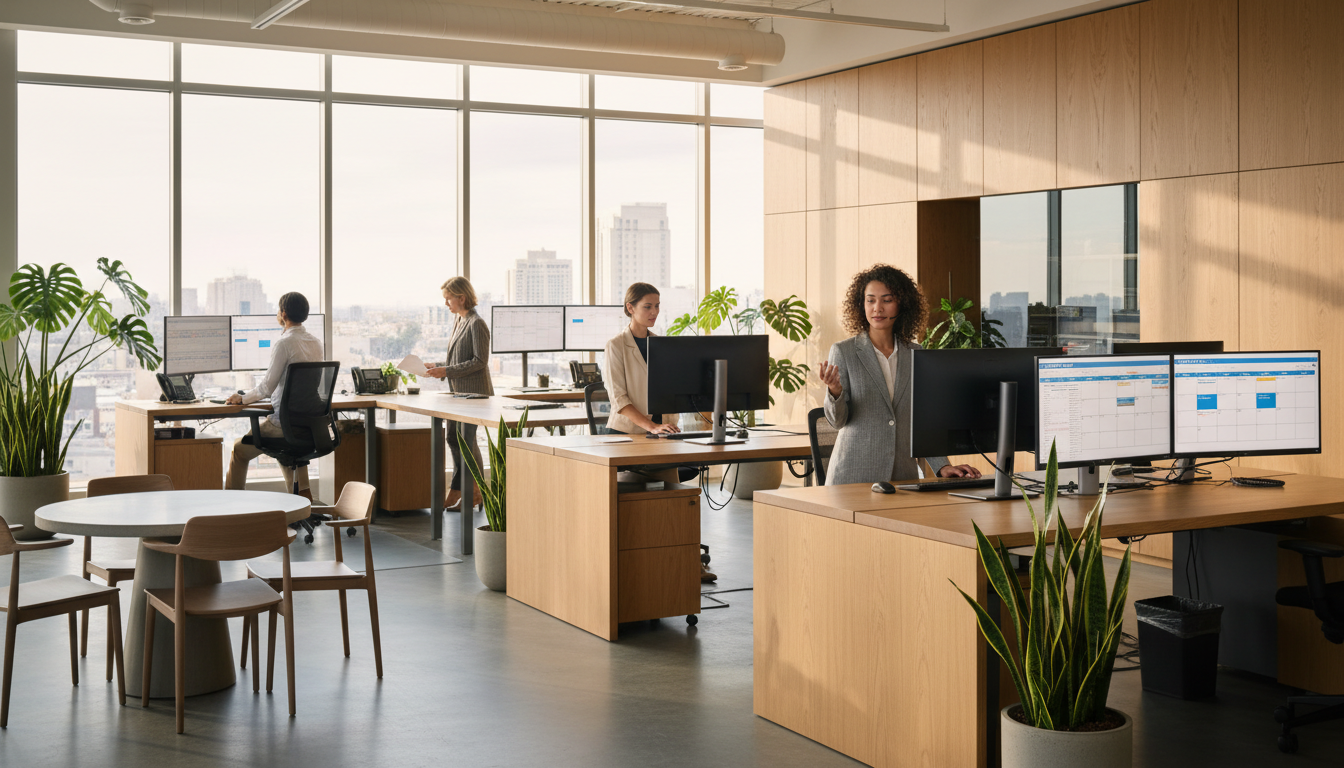
The combination of ambient lighting and automated shades creates a harmonious office environment that supports the well-being of employees. By balancing natural and artificial light, offices can foster a more engaging and productive atmosphere.
As businesses continue to adapt to evolving work models, the integration of these elements will play a pivotal role in designing offices that cater to both in-person and remote workers. The emphasis on flexibility and adaptability ensures that modern offices remain conducive to collaboration and innovation.
Conclusion
Ambient lighting and automated shades are no longer mere accessories in office design; they are essential components that enhance functionality and aesthetics. By investing in these technologies, companies can create workspaces that are not only visually appealing but also promote health, efficiency, and sustainability.