
Myth-Busting: Common Misconceptions About Video Surveillance


Video surveillance has become an integral part of security systems worldwide, yet many misconceptions persist about its capabilities and limitations. In this post, we'll debunk some common myths surrounding video surveillance to help you make informed decisions.
Myth 1: Video Surveillance Invades Privacy
A common concern is that video surveillance invades personal privacy. However, modern systems are designed with privacy in mind. Cameras are typically placed in public or high-risk areas where privacy expectations are minimal. Furthermore, many systems offer features like privacy masking, which blocks out sections of the frame to protect sensitive areas.

It's essential to understand that the primary goal of video surveillance is to enhance safety and security, not to intrude on personal spaces. When installed and used properly, these systems comply with legal standards and respect individual privacy.
Myth 2: Surveillance Footage Is Stored Forever
Another misconception is that all surveillance footage is stored indefinitely. In reality, most systems have limited storage capacity and use a loop recording method. This means older footage is automatically overwritten by new recordings after a set period, typically 30 to 90 days.

Businesses and individuals can adjust the retention period based on their specific needs and storage capabilities. It's crucial to balance storage constraints with the necessity of retaining footage for security or legal purposes.
Myth 3: All Cameras Are Created Equal
Not all video surveillance cameras are the same. Different environments require different types of cameras. For instance, indoor cameras are designed for controlled lighting conditions, while outdoor cameras need to withstand various weather conditions and provide night vision capabilities.
Additionally, cameras vary in resolution, field of view, and connectivity options. Selecting the right camera involves understanding the specific security needs and environmental factors of the area being monitored.

Myth 4: Video Surveillance Is Only for Big Businesses
While large corporations often use extensive surveillance systems, small businesses and homeowners can also benefit significantly from video surveillance. Small businesses can deter theft and vandalism, while homeowners can enhance their property security and monitor for any unusual activity.
With the advent of cost-effective and user-friendly options, video surveillance is more accessible than ever, offering scalable solutions for various needs and budgets.
Myth 5: Installing Surveillance Systems Is Complicated
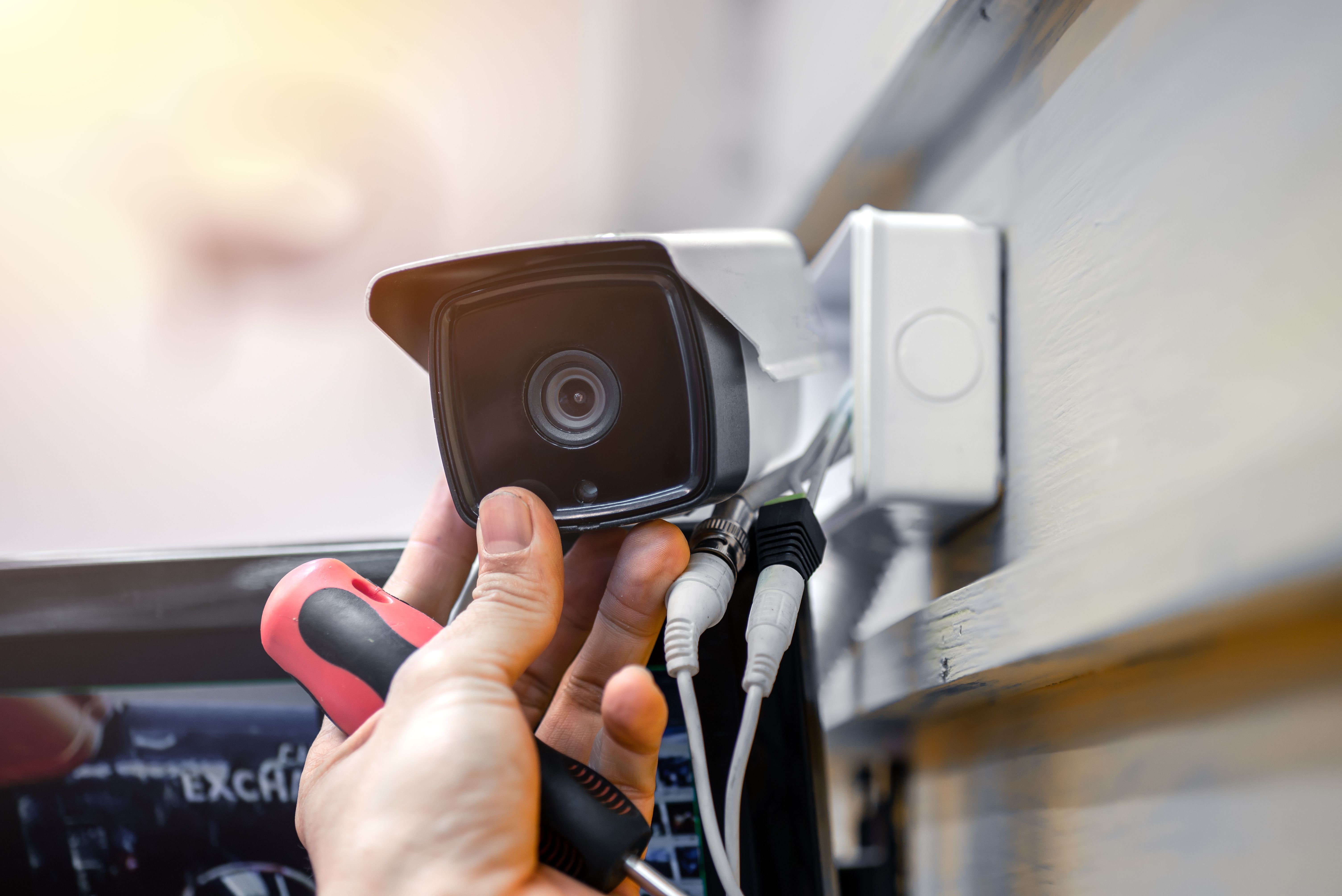
Some believe that setting up a video surveillance system is a complex and time-consuming task. However, technological advancements have simplified the installation process. Many systems now offer plug-and-play options that require minimal technical expertise.
Wireless cameras, mobile app integration, and cloud storage solutions further ease the setup and management of surveillance systems, making them viable for tech-savvy individuals and novices alike.
By understanding and debunking these common myths, you can make more informed choices about implementing video surveillance. Whether for a business or home, leveraging the right system can significantly enhance security and peace of mind.